Artificial intelligence (AI) has become one of the most powerful forces shaping the modern world, fundamentally changing how people work, how businesses operate, and how society functions. What was once seen as an emerging technology is now deeply embedded in everyday systems, from automated workplaces and intelligent business tools to personalized digital experiences and data-driven governance. As AI continues to evolve, its influence is expanding across nearly every aspect of human activity, making processes faster, smarter, and more efficient.
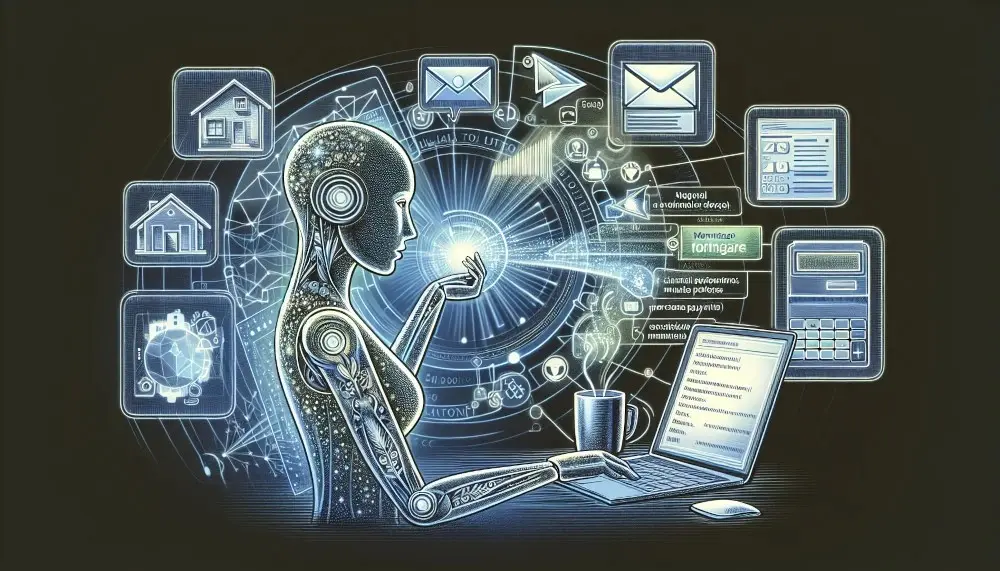
In the world of work, AI is reshaping job roles and workplace structures by automating repetitive tasks and enhancing human productivity. Tasks such as data entry, scheduling, reporting, and customer support are increasingly handled by intelligent systems, allowing employees to focus on more strategic and creative responsibilities. This shift is not about replacing humans but about augmenting human capabilities. Creative professionals and digital contributors such as those featured on selmamarchon.com reflect how human creativity continues to remain essential even in an AI-enhanced work environment.
AI is also transforming industries like art, design, and creative expression. Artists and designers are using AI-powered tools to generate ideas, refine visuals, and explore new forms of expression. Rather than limiting creativity, AI expands it by offering new tools and perspectives. Artistic platforms such as timkennedypaintings.net demonstrate how traditional creativity can coexist with modern technology, leading to innovative and unique outcomes in the digital era.
In business environments, AI plays a critical role in improving decision-making and operational efficiency. Companies use machine learning systems to analyze large volumes of data, predict customer behavior, optimize pricing strategies, and manage supply chains. These capabilities allow businesses to respond quickly to market changes and deliver more personalized services to customers. Tools such as those related to logistics and tracking platforms like padstracker.com show how intelligent systems are improving transparency, efficiency, and real-time decision-making in business operations.
The entertainment industry has also been significantly transformed by AI. Streaming platforms, film studios, and digital content creators rely on AI to recommend content, analyze audience engagement, and improve production workflows. AI helps editors automate time-consuming tasks such as video tagging, subtitle generation, and scene analysis. Entertainment and media platforms like scorpionhollywood.com highlight how AI is shaping modern storytelling and changing the way audiences consume digital content.
In politics and public life, AI is becoming an important tool for communication, analysis, and decision-making. Political campaigns and public organizations use AI to understand voter sentiment, optimize messaging strategies, and analyze large datasets related to public opinion. This enables more efficient and targeted communication with citizens. Civic and political platforms such as castillo4congress.com reflect how digital tools and AI-driven strategies are influencing modern governance and public engagement.
AI is also changing how society consumes information and interacts with media. News platforms and digital publications use AI algorithms to personalize content, filter misinformation, and recommend relevant stories to users. This improves accessibility but also raises important questions about information bias and content transparency. Media-focused platforms such as themanifoldmag.net demonstrate how AI is reshaping journalism and digital storytelling in the modern age.
In global communication and international awareness, AI plays a key role in analyzing data, translating languages, and improving cross-border communication. AI-powered tools allow people from different cultures to connect more easily, breaking down language barriers and improving global collaboration. News and regional analysis platforms such as theegyptreport.com reflect how AI contributes to faster information sharing and better understanding of global events.
Despite its benefits, AI also introduces challenges related to mental well-being, information overload, and digital dependency. As society becomes more connected, individuals may struggle with constant notifications, algorithm-driven content, and reduced attention spans. Thoughtful commentary platforms such as shardofapathy.com highlight concerns about emotional balance and the importance of maintaining human-centered thinking in a technology-driven world.
AI is also improving everyday convenience through smart systems that enhance communication, organization, and productivity. From intelligent assistants that manage schedules to systems that summarize information and automate tasks, AI helps individuals save time and reduce cognitive load. Local and informational platforms such as uptonupdates.com demonstrate how digital tools are improving access to timely and relevant information in everyday life.
In media and entertainment culture, AI is also influencing how audiences engage with content, including movies, quotes, and cultural references. Recommendation engines help users discover new entertainment options tailored to their preferences, improving engagement and personalization. Entertainment-focused platforms such as celebritymoviequotes.com show how AI supports content discovery while making digital entertainment more accessible and enjoyable.
In conclusion, AI is transforming work, business, and society by improving efficiency, enhancing creativity, and enabling smarter decision-making. It is reshaping workplaces, redefining industries, and changing how people interact with information and technology. While challenges such as privacy, bias, and digital dependence must be addressed, the overall impact of AI remains overwhelmingly positive. As it continues to evolve, AI will play an even greater role in shaping a more connected, efficient, and intelligent global society.